
All the latest news from Access Social Care
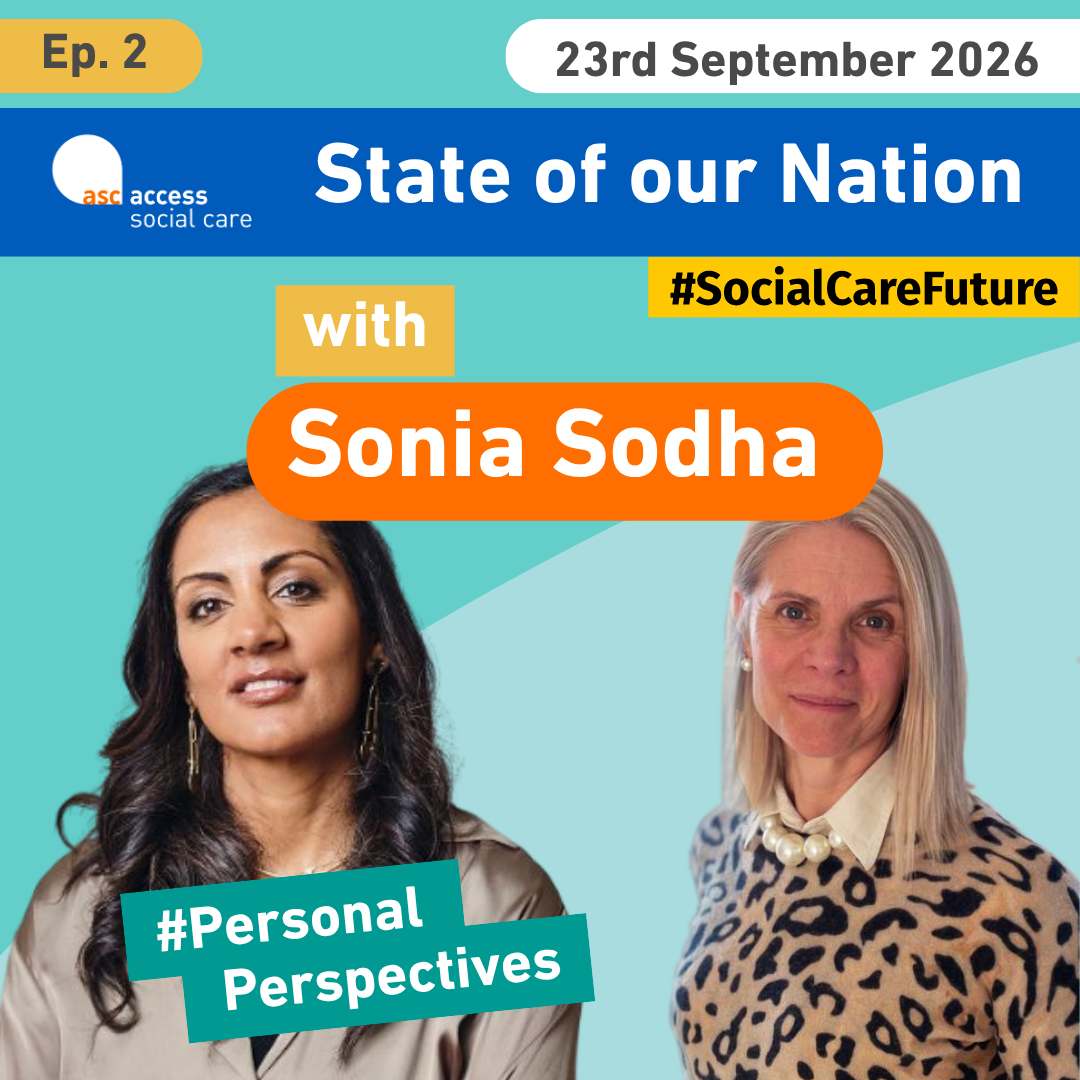
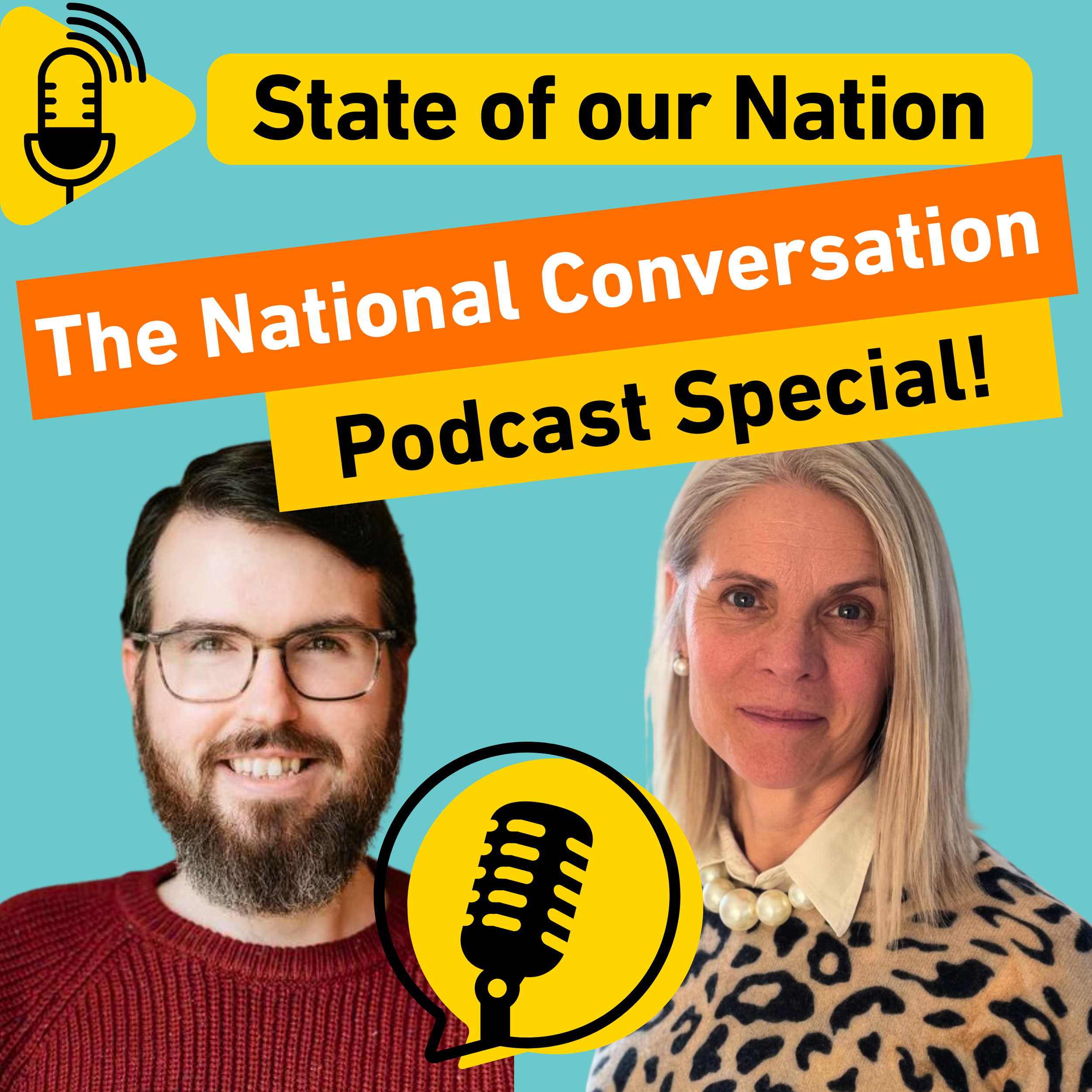
In the latest episode of State of Our Nation, Kari Gerstheimer is joined by columnist and author Sonia Sodha to explore what needs to change in social care — from how we describe it, to how we fund it, and how we value the people who provide it.
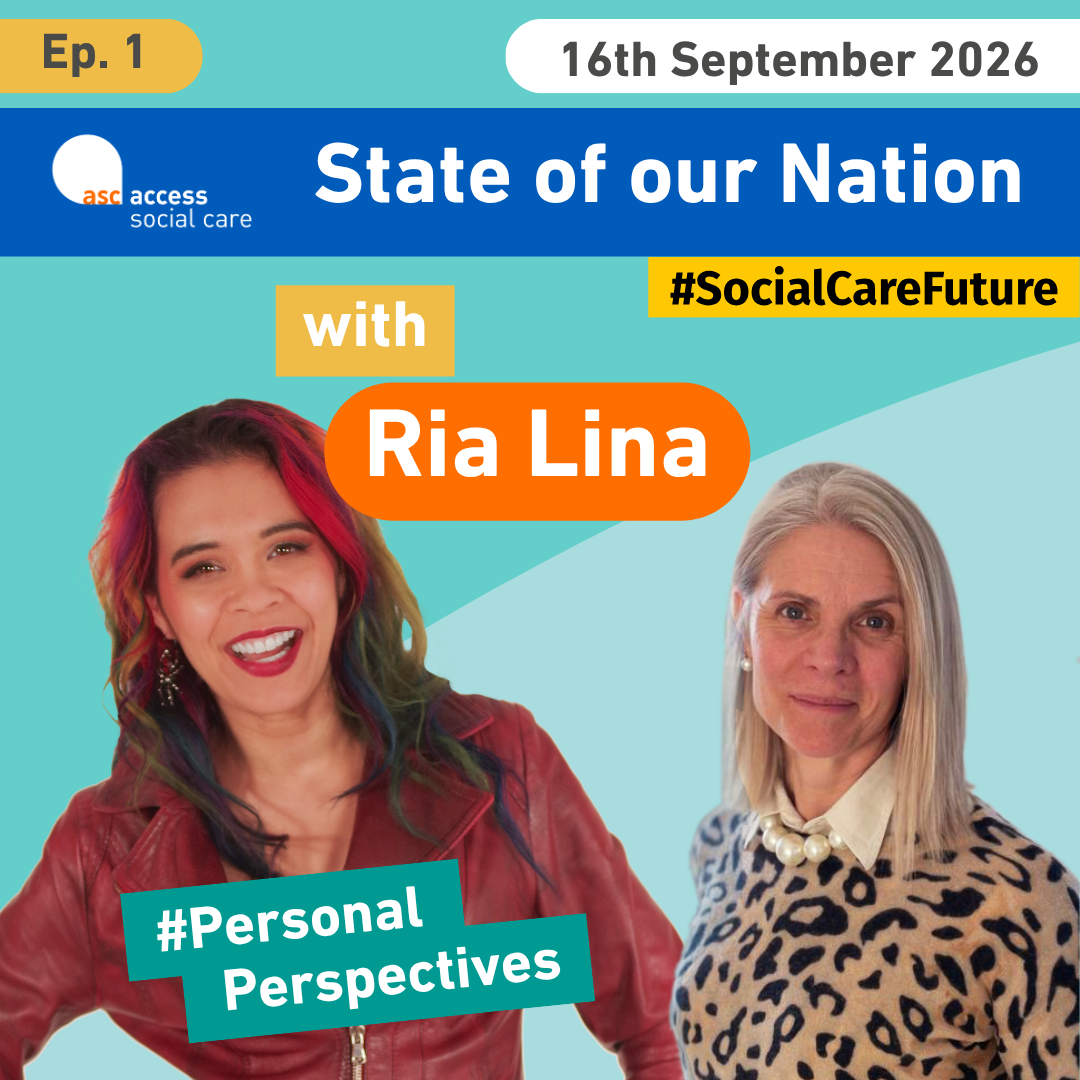
In the first episode of State of the Nation: Personal Perspectives, Kari Gerstheimer is joined by Comedian Ria Lina, who challenges outdated approaches to education, social care and ageing, making the case for more accessible, visible and human-centred communities. The conversation also examines unpaid care, the value of humour in serious campaigns, and why we must design systems around real lives rather than forcing people to fit the system.
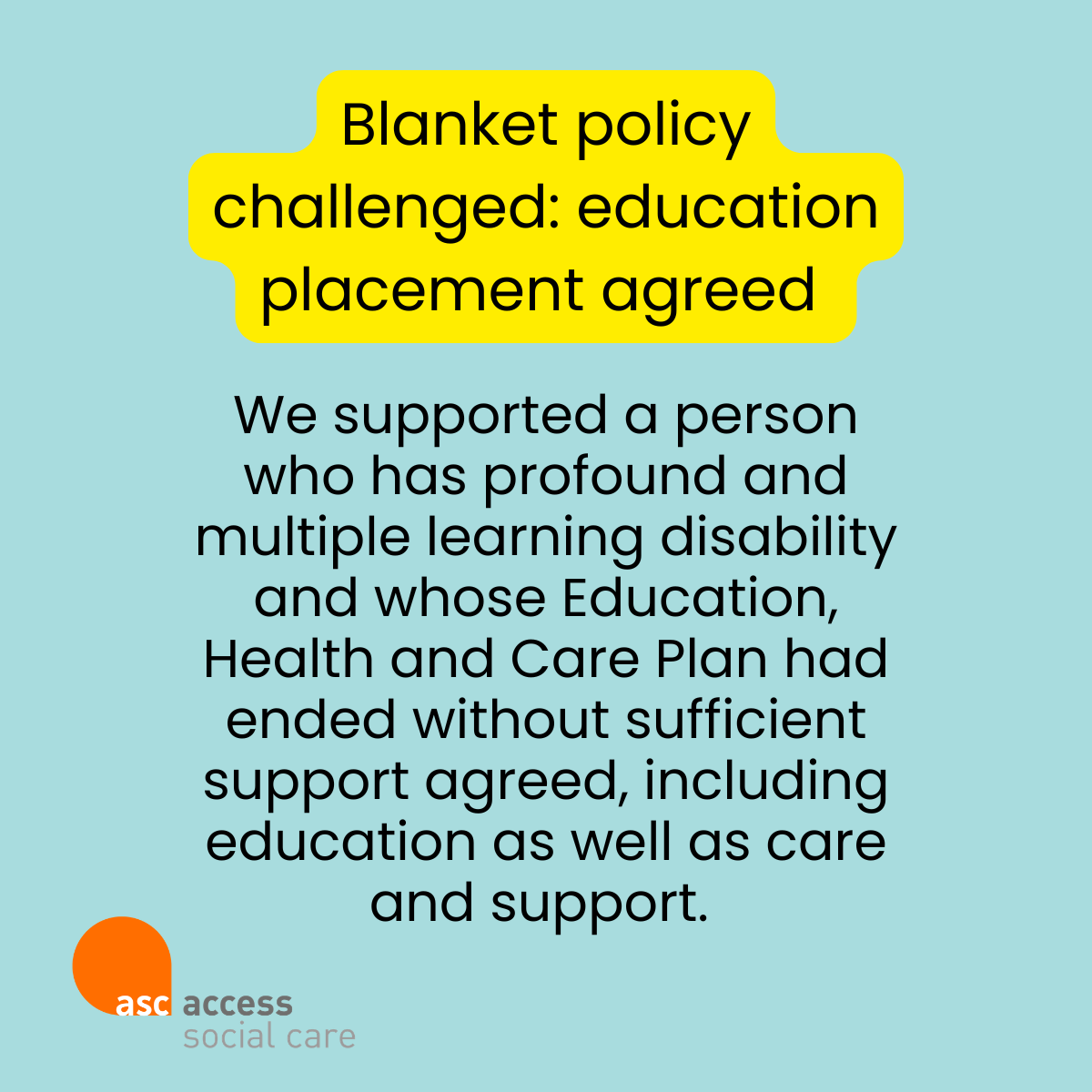
We supported a person who has profound and multiple learning disability and whose Education, Health and Care Plan had ended without sufficient support agreed, including education as well as care and support.
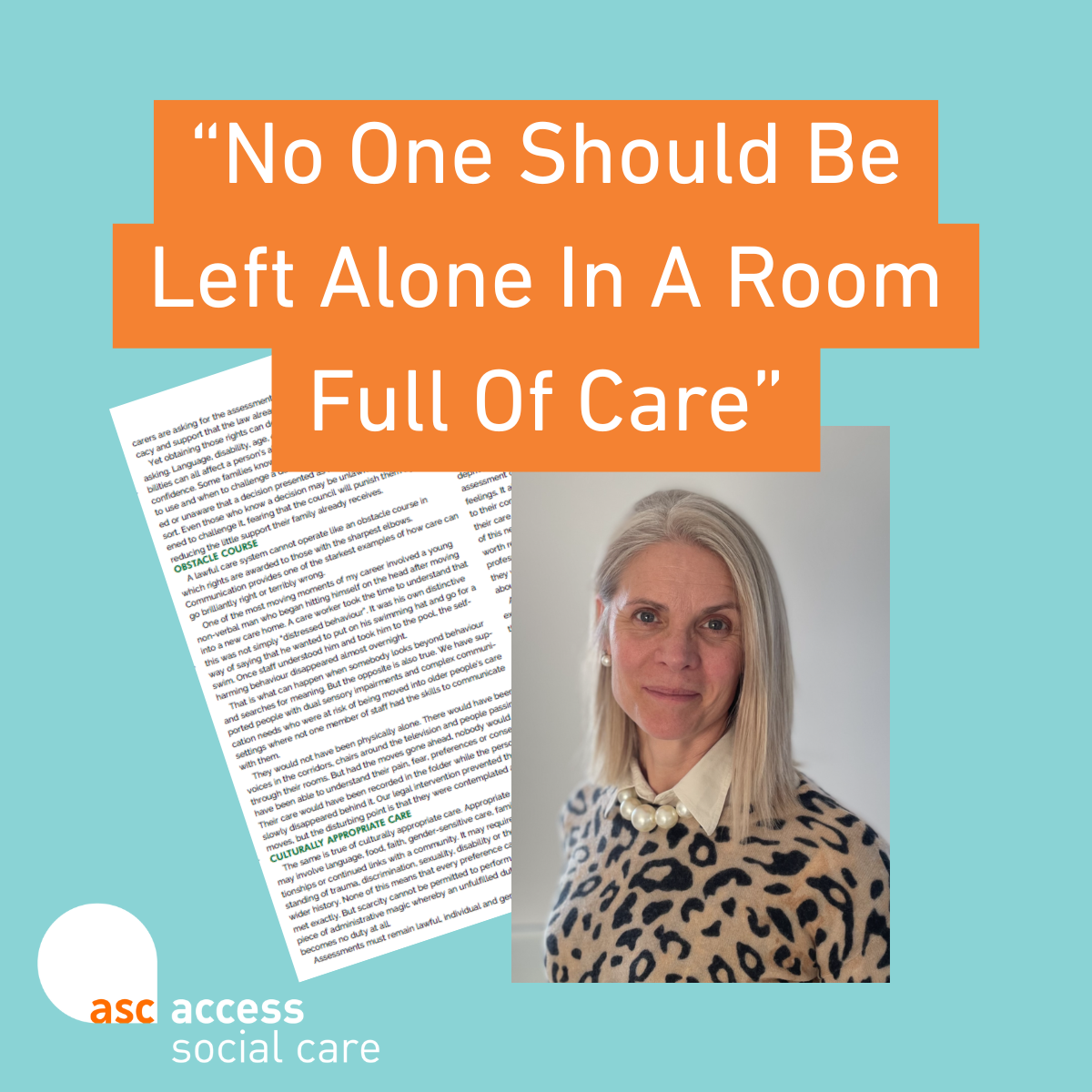
Writing in The Carer, Kari Gerstheimer argues that social care cannot be reduced to systems, paperwork and processes while losing sight of the person at the centre of every decision.
With a new Prime Minister pledging to invest political capital in social care reform and the Casey Commission's National Conversation closer, there is growing optimism that England has a genuine opportunity to rethink its approach to social care.
To help our partners, supporters and the wider social care community stay informed, we've launched the AccessAva newsletter. It will provide regular updates on new product features, user stories, research, partnerships and the impact AccessAva is having across England.
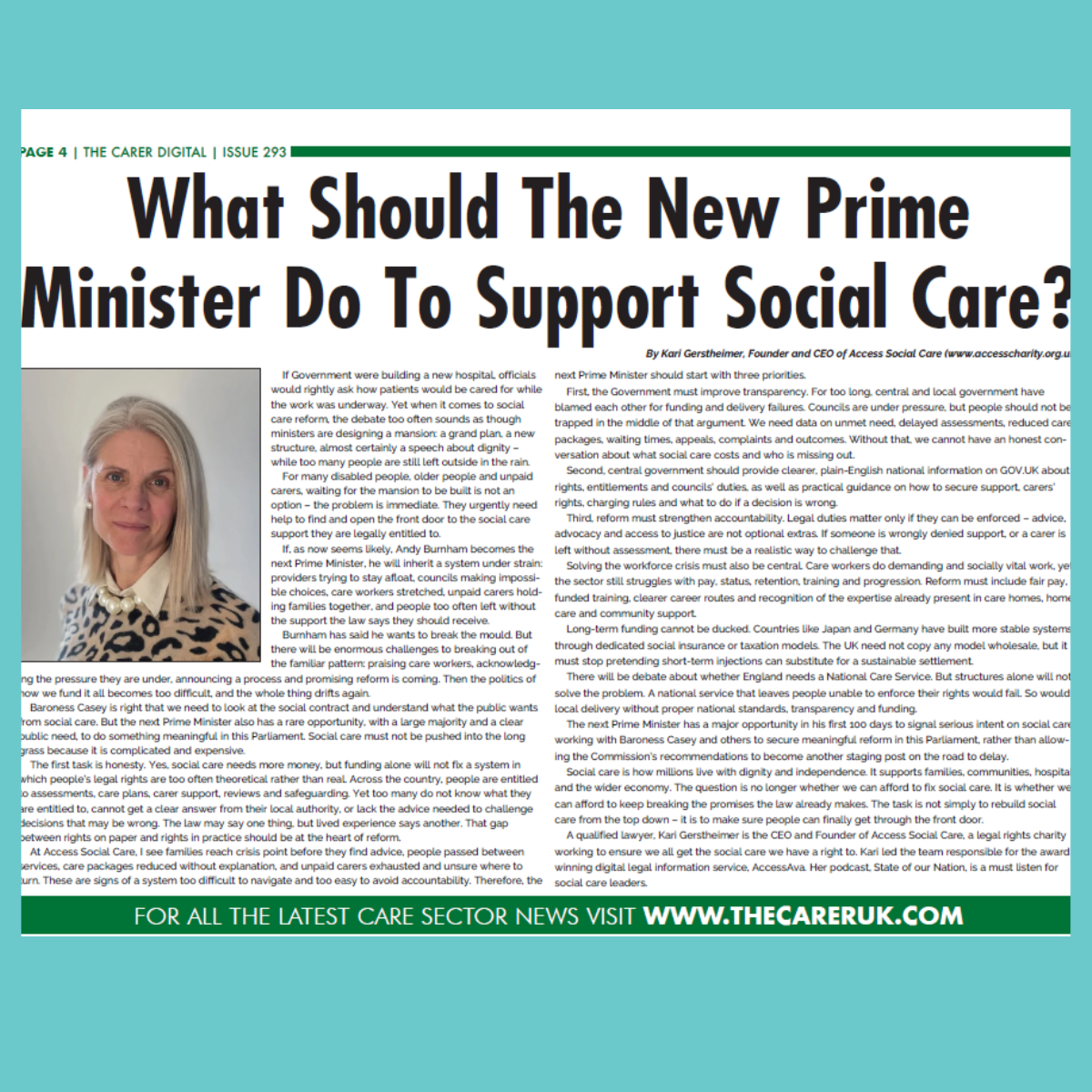
Writing in The Carer (Issue 293), Kari Gerstheimer argues that social care reform has been treated like an architect's plan that's all blueprint and no building — endlessly discussed while people who need care right now are left waiting at the door.
Join Courtney as she shares what it’s like to work as an Advice Coordinator on secondment at Inclusion Gloucestershire. Drawing on both her professional background and life as an autistic person, Courtney explains how she supports people to understand their social care rights and access the support they need through AccessAva.
From researching the Care Act and delivering autism-focused training to responding to social care enquiries and working alongside advocacy colleagues, Courtney reflects on the variety of her role and the satisfaction of helping people build confidence in navigating the social care system.
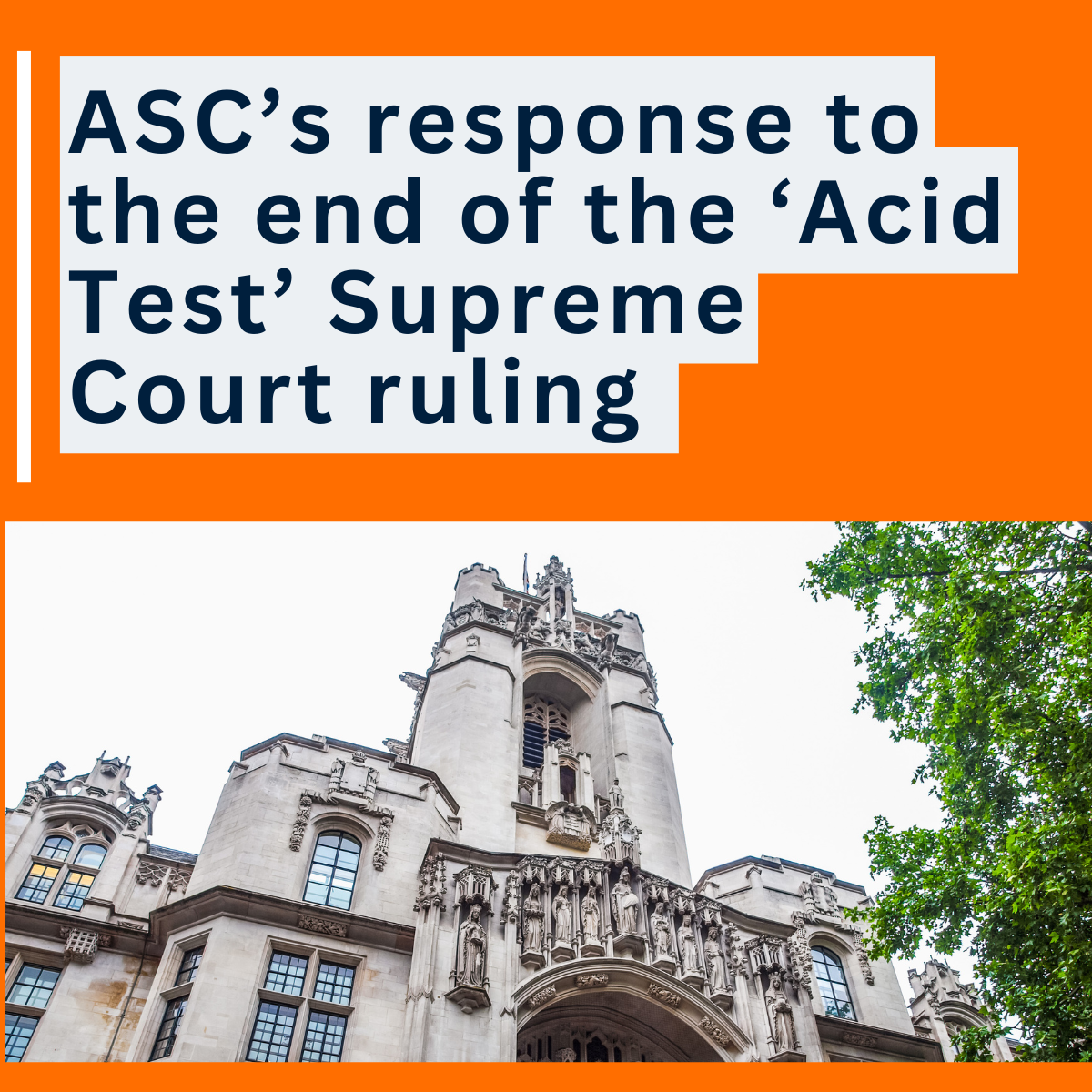
The legal framework for determining whether someone is deprived of their liberty has recently undergone a major transformation. On 2 June 2026, a landmark Supreme Court judgment overturned the long-standing 2014 "Cheshire West" ruling, which developed the well-known ‘acid test’ practitioners previously needed to work to.
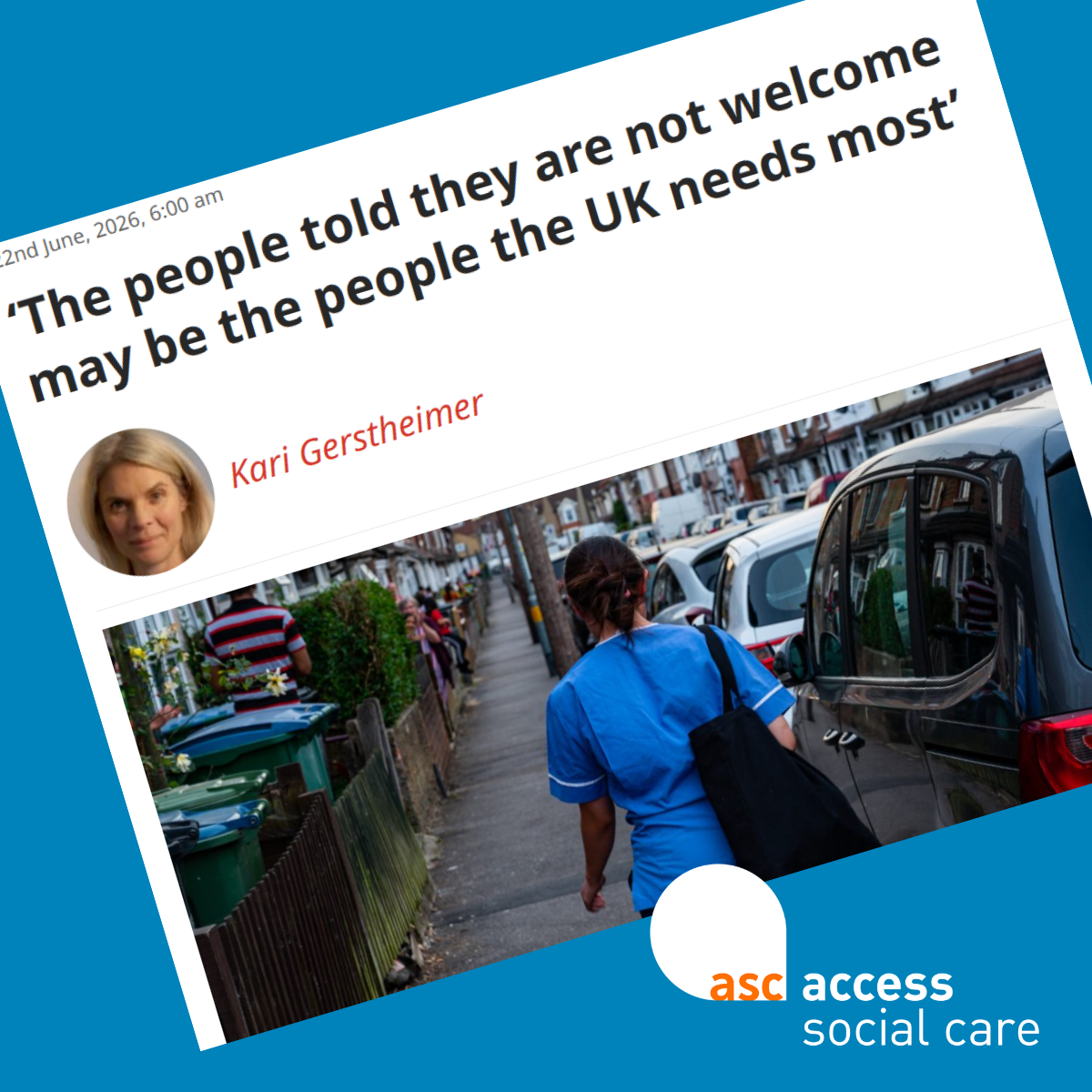
In her recent article for LabourList, Access Social Care CEO Kari Gerstheimer argues that the debate around immigration and social care cannot ignore the reality of the workforce crisis facing the sector.
A member organisation contacted Access Social Care for general guidance regarding a person they support, who had been hospitalised following a significant deterioration in their wellbeing.
"Until we stop measuring success by how many people we can exclude, we'll never build the system people deserve."
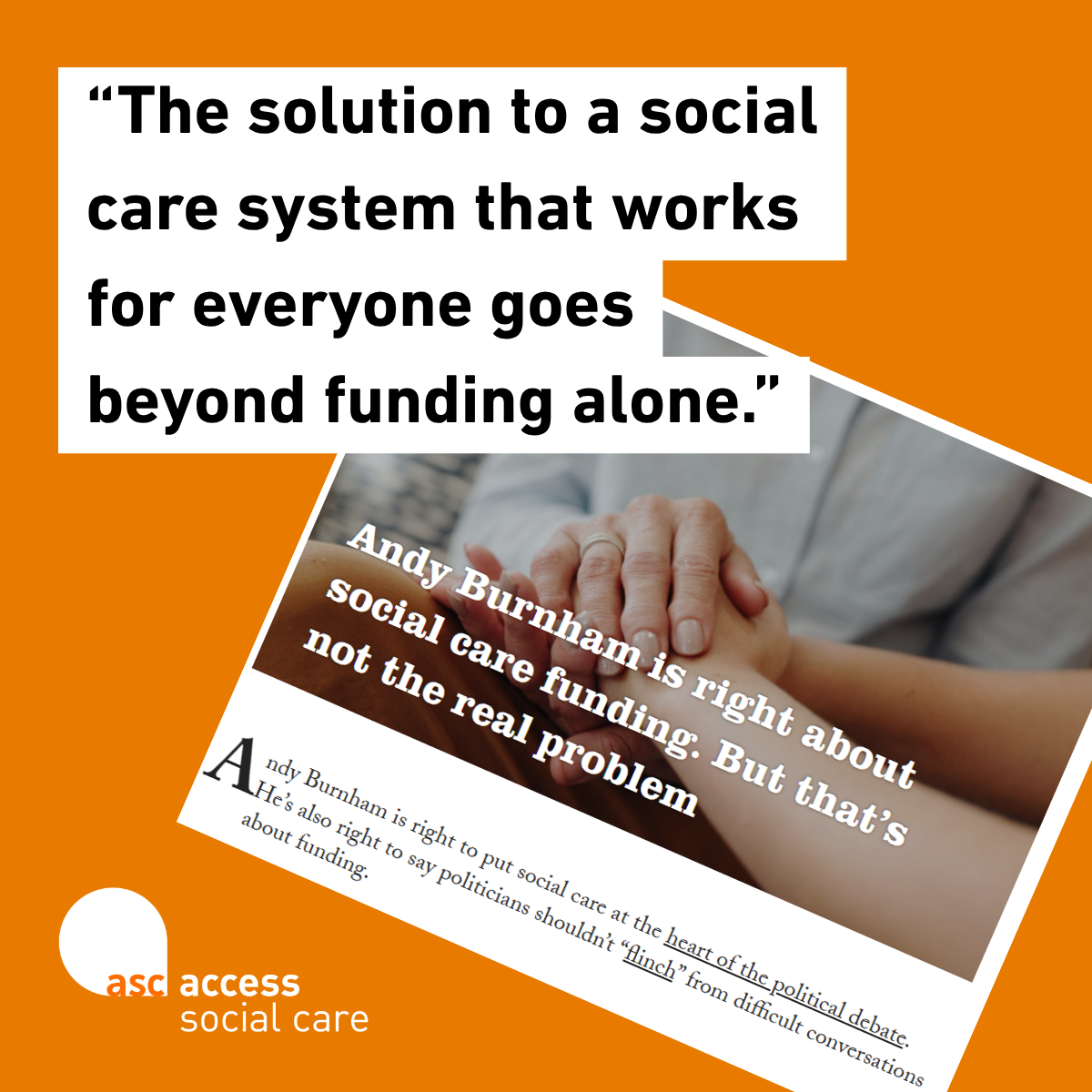
Our CEO and Founder, Kari Gerstheimer has written a piece for Politics.co.uk in response to Andy Burnham’s recent comments on social care funding.
Carers Week 08-14 June
Join Sally as she shares what it’s like to work as an Administration Assistant at Access Social Care. Balancing work alongside caring responsibilities for both her mam and her son, Sally reflects on her journey as a working carer and how flexible working has enabled her to continue doing meaningful work while supporting her family.
From managing the busy day-to-day demands of the Business Support Team to helping systems and processes run smoothly across the organisation, Sally explains why variety, teamwork and flexibility are such important parts of her role.
The UK Supreme Court’s decision to abolish the 'acid test' marks a profound shift in how deprivation of liberty is determined. By replacing a clear, non-subjective standard with a multi-factorial approach based on 'relative normality' and subjective expressions of contentment, this ruling introduces significant ambiguity into the social care sector.
Stay up to date with our newsletter
Sign up for our newsletter to hear inspiring success stories, updates on our campaigns, and insights from our latest research.
David’s story highlights a wider issue within adult social care: what happens when people who need care and support are unable to access the right housing and support to live the lives they choose?
Full BBC Article https://www.bbc.co.uk/news/articles/cy731xpjmrdo