
How NHS Gloucestershire and Access Social Care are supporting unpaid carers
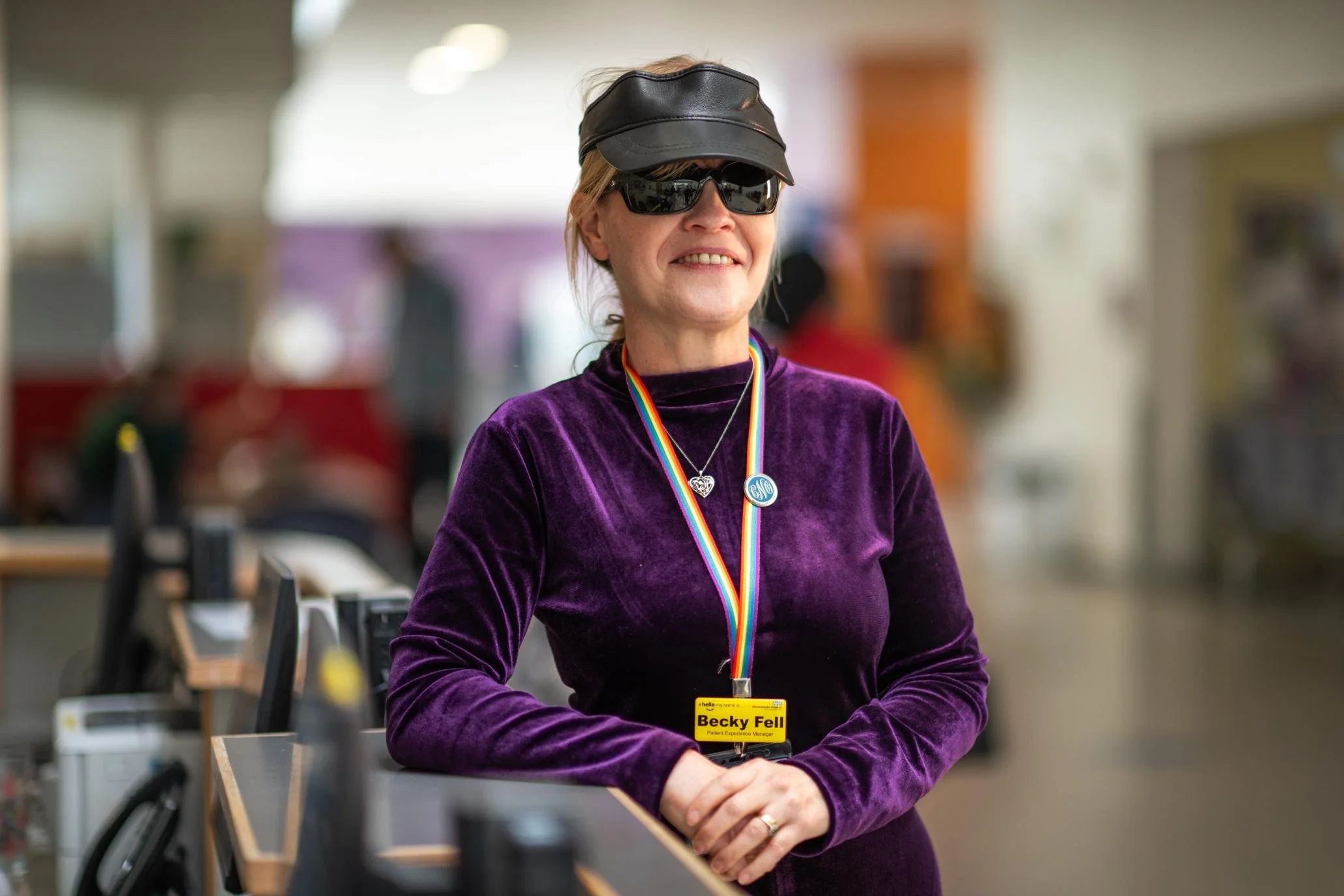
Becky Fell, Patient and Carer Experience Improvement Manager, Patient Experience Team
Mark your calendars for 19 November! To celebrate Carers Rights Day, NHS Gloucestershire is hosting a drop-in event in the Atrium foyer at Gloucestershire Royal Hospital.
Join Becky Fell, Patient and Carer experience improvement manager, Jacky Martel, ASC Hub manager and Keith Sexton, ASC Peer navigator
Date: 19th November 2026
Time: 9.30am to 11.30am in the foyer of the Atrium at Gloucester Royal Hospital
Address: Great Western Road, Gloucester, GL1 3NN
Through our partnership with NHS Gloucestershire, Jacky Martel, our community hubs manager and Keith Sexton, our local Peer Navigator work to ensure carers and Trust colleagues have access to information and practical guidance about social care law and carer’s rights.
Ahead of this year’s Carers Rights Day, we caught up with Becky Fell, Patient and Carer Experience Improvement Manager, Patient Experience Team to talk about the vital role unpaid carers play across Gloucestershire, and how understanding legal rights can make a world of difference to day-to-day life.
Here, Becky shares how recognising your role as a carer is the first step to accessing support, and what visitors can expect from the upcoming event at Gloucestershire Royal Hospital.
Why is supporting unpaid carers such an important part of your work at the Trust?
Carers are at the heart of so much of what we do. They provide care, support, advocacy and reassurance, often long before someone comes into hospital and continuing long after they return home. Through my work with carers, one of the things I see most often is that many people do not recognise themselves as carers. They see themselves as a husband, wife, partner, parent, son, daughter, friend or neighbour, and as a result may miss out on support that could make a real difference to their own wellbeing.
Supporting carers is important because when carers feel recognised, listened to and involved, outcomes are better for everyone. We know carers hold valuable knowledge and insight about the people they care for, and their voices should be part of the conversation wherever appropriate. At the Trust, we are committed to working alongside carers, listening to their experiences and continuing to develop initiatives that help carers feel valued, supported and able to access the information and help they need.
What are some of the biggest challenges carers tell you they face?
Many carers tell us they feel overwhelmed trying to balance caring responsibilities with work, family life and their own health and wellbeing. Through listening to carers and hearing their experiences, we know that many also feel isolated, exhausted or unsure where to turn for help. A common challenge is simply finding the right information at the right time. Caring can be complex and navigating health, social care and support services can feel daunting, particularly when someone is already under a lot of pressure. That is why it is so important that we continue to listen, work alongside carers and make sure support is accessible, practical and easy to find when it is needed most.
Why do you think many carers are still unaware of the rights and support available to them?
Many people do not see themselves as carers. They are simply doing what they have always done for the person they care for. Because of this, they may not seek support or realise they have legal rights as a carer. Through listening to carers and working alongside them, I often hear that information is available, but it can be difficult to know where to start or what support is relevant to their situation. That is why raising awareness and having open conversations about caring is so important. The more we can identify carers, listen to their experiences and signpost them to the right support, the more likely it is that they can access the help, advice and recognition they are entitled to.
What has been most valuable about working with Access Social Care and the Peer Navigator Project?
One of the most valuable aspects of working with Access Social Care and the Peer Navigator Project has been knowing that we can confidently signpost carers to a service that provides expert advice, practical support and genuine understanding. The team are exceptional at helping people navigate what can often feel like complex situations, and it is clear from the way they work that they genuinely care about the carers they support.
This partnership has also enabled us to raise awareness amongst staff about carers’ legal rights and the support available, helping colleagues feel more confident in recognising carers and signposting them to the right advice at the right time. This is important because timely information and support can make a real difference to a carer’s experience.
As part of this partnership, I have been inviting staff to attend webinars facilitated by myself and delivered in collaboration with Access Social Care. These sessions help raise awareness of carers’ legal rights and the support available. This is particularly important, as timely information and advice can make a significant difference to a carer’s experience.
I also share information about Access Social Care and the Peer Navigator Project with carers whenever possible, helping to connect people with expert advice and support that they may not otherwise know exists. Together, this partnership has strengthened our ability to support carers, promote awareness of their rights and ensure they can access clear advice and guidance when they need it most.
What difference can understanding your legal rights make to a carer's day-to-day life?
Understanding your rights can be incredibly empowering. Through my work with carers, I often see the difference that good information and timely support can make. Knowing your rights can help carers feel more confident when asking questions, making decisions and seeking support for themselves and the person they care for. For some, it may open the door to services, advice or practical help they did not know was available. For others, it provides reassurance that they are not expected to manage everything on their own.
Listening to carers has shown me that caring can sometimes feel overwhelming and uncertain. That is why understanding your rights is so important. It helps carers make informed choices, feel more in control of their situation and access the support they are entitled to. Ultimately, it can help reduce some of the stress that often comes with caring and ensure carers feel recognised, valued and supported.
What do you hope people will take away from this year's Carers Legal Rights Day event?
I hope carers and staff leave the event feeling reassured that they are not alone and that support is available. I would like carers to leave knowing where they can go for advice, feeling more empowered to ask questions and access support, and recognising the valuable role they play every day. Most of all, I hope carers feel seen, heard and valued, and encouraged to look after their own wellbeing as well as the wellbeing of the person they care for.
What message would you like to share with carers across Gloucestershire?
Firstly, thank you. Carers make an enormous difference every single day, often without recognition. Through my work listening to carers and working alongside them to improve services, I am constantly reminded of the dedication, compassion and resilience they show, often while balancing many other responsibilities in their own lives.
If you are caring for someone, please know that your wellbeing matters too. One of the most important messages I hear from carers is that they often put their own needs last. My advice would be not to wait until you are struggling before reaching out for support. There are organisations, services and people who want to help, and accessing support early can make a real difference.
Whether you have been a carer for many years or have only recently taken on a caring role, you do not have to navigate it alone. We are committed to continuing to listen to carers, learn from their experiences and work together to ensure carers feel recognised, supported and valued for the vital role they play every day.
As we mark Carers Legal Rights Day, we would encourage anyone who provides unpaid care for a family member, friend or neighbour to take a few moments to learn more about the support available. Understanding your rights can help you access information, advice and services that may make caring more manageable. Together, we can ensure carers feel recognised, supported and valued for the essential role they play in our communities.
The event is taking place on 19 November between 9.30 to 11.30 in the foyer of the Atrium at Gloucester Royal Hospital, Great Western Road, Gloucester.

If you aren’t able to make the event please try Access Social Care’s free online service, AccessAva. Developed by specialist lawyers, it provides legal advice to anyone who needs information and guidance on adult social care. The information and guidance is personalised to your situation and provides practical next steps – giving you peace of mind and a clear path forward when you need it most.